Why do gamblers often chase losses in casinos
The Psychology Behind Loss Chasing
Many gamblers experience a compelling urge to recover their losses, a phenomenon known as “loss chasing.” This behavior is deeply rooted in psychological principles, particularly in the realm of cognitive biases. One significant bias is the “gambler’s fallacy,” where individuals believe that past losses increase the likelihood of future wins. Gamblers often convince themselves that they are ‘due’ for a win after a series of losses, leading them to continue betting in hopes of regaining their money. In Australia, players frequently look for sites that boast quick payouts, such as payid casinos australia, to enhance their gaming experience.
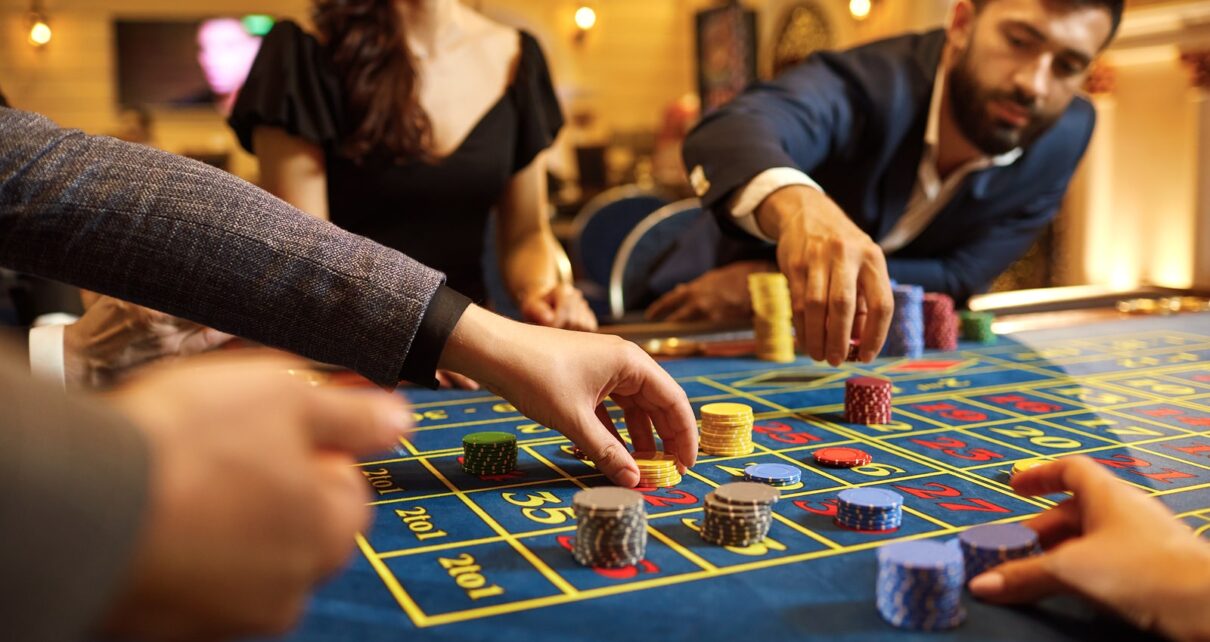
This mindset can create a dangerous cycle, where the desire to break even overshadows rational decision-making. Gamblers may find themselves wagering larger amounts in an attempt to win back what they’ve lost, disregarding the inherent odds of the games they are playing. As emotions like frustration and desperation kick in, the likelihood of making impulsive decisions escalates, further entrenching them in a pattern of loss chasing.
Moreover, the environment of a casino contributes to this behavior. Bright lights, engaging sounds, and the thrill of winning create a sensory overload that can cloud judgment. In such an atmosphere, gamblers may feel an amplified desire to chase their losses, mistakenly believing that one more bet could lead to a turning point. This combination of cognitive bias and environmental stimuli makes it easy for gamblers to lose sight of reality.
The Role of Emotions in Gambling
Emotions significantly influence gambling behavior, often leading individuals to chase losses. The thrill of winning can produce a rush of adrenaline, while losing can evoke feelings of anger, disappointment, and even shame. These emotional responses can cloud judgment and lead gamblers to make irrational decisions. In an effort to alleviate the negative feelings associated with losing, gamblers may increase their bets, hoping that a substantial win will restore their confidence.
Additionally, feelings of social pressure can exacerbate the situation. In a casino setting, the presence of other players and the atmosphere of competition may prompt individuals to chase their losses. Gamblers often fear judgment from peers and may feel compelled to continue betting to maintain a façade of success. This social aspect can create a false sense of urgency, making it more challenging to step back and reassess one’s situation.
The emotional rollercoaster of gambling can lead to the illusion of control. Gamblers may believe that they can manipulate the odds in their favor by chasing losses, failing to acknowledge the inherent randomness of casino games. This false sense of mastery can be intoxicating, driving them to place more bets in the hope that their luck will eventually turn. The emotional aspect of gambling thus plays a crucial role in perpetuating the cycle of loss chasing.
The Impact of Marketing and Casino Design
Casino marketing strategies and design elements are specifically crafted to encourage prolonged play and, consequently, loss chasing. Promotional offers, flashy advertisements, and bonuses are designed to attract players, often masking the reality of potential losses. Once inside a casino, gamblers are surrounded by enticing visuals and sounds that create an immersive experience, making it difficult to disengage once they start losing.
Furthermore, the layout of casinos is intentionally created to disorient players, minimizing their ability to assess their financial situation. Gaming machines are strategically positioned near each other, creating a continuous flow that encourages players to keep betting. With easy access to ATMs and the absence of visible clocks, gamblers are less likely to recognize the time and money they are spending, which fuels the tendency to chase losses.
Additionally, online casinos employ similar tactics, utilizing engaging user interfaces, interactive games, and instant bonuses to keep players engaged. These elements contribute to an environment where gamblers may feel that they need to continue betting to seize opportunities, further driving the need to chase losses. As these marketing strategies blend seamlessly into the gambling experience, they create a perfect storm for loss-chasing behavior to thrive.
The Consequences of Chasing Losses
The repercussions of chasing losses can be severe, affecting both the individual’s financial stability and mental health. Many gamblers find themselves in a downward spiral, accumulating significant debts while attempting to reclaim their lost money. This behavior can lead to financial ruin, as the desire to recover losses often results in risking even more money, creating a cycle that is difficult to escape.
Moreover, the emotional toll of chasing losses can contribute to anxiety and depression. Gamblers may experience feelings of isolation and shame, particularly if they hide their gambling habits from family and friends. The inability to control their behavior can lead to strained relationships and social withdrawal, compounding the negative effects of their gambling pursuits.
In extreme cases, the desperation to recover losses can result in engaging in illegal or unethical behavior, such as borrowing money from loan sharks or engaging in theft. The stakes can become dangerously high, showcasing how chasing losses can escalate from simple gambling to more serious consequences. It is crucial for gamblers to recognize the potential pitfalls associated with this behavior and seek help if they find themselves trapped in this cycle.

Resources for Responsible Gambling
For those interested in understanding and mitigating the risks associated with gambling, various resources are available. Organizations dedicated to responsible gambling provide educational materials, support groups, and helplines for individuals struggling with gambling addiction. These resources can offer insights into recognizing harmful behaviors and developing healthier habits surrounding gambling.
Many casinos also have programs in place to promote responsible gambling. This includes self-exclusion programs, where players can voluntarily ban themselves from participating in gambling activities for a specified duration. Additionally, casinos may offer information on setting limits for betting and provide access to counseling services for those in need.
Utilizing these resources can help gamblers manage their behavior and avoid the pitfalls of loss chasing. It is essential for individuals to prioritize their well-being and seek assistance before gambling becomes detrimental. By fostering a culture of responsible gambling, both players and casinos can work together to create a safer and more enjoyable environment for all.
Leave a Reply